
Hosting Matthew Gardner is always a highlight, and this year’s event delivered exactly what I hoped it would: clarity, context, and hyper-local insight during a time when many people are craving grounded information.
Thank you to Matthew Gardner for sharing his expertise, and to those of you who joined the event live. If you weren’t able to attend, I’m glad you’re here — below are my key takeaways, with a deeper focus on Whatcom and Skagit Counties.
The Big Picture: A Calmer Economic Backdrop Than the Headlines Suggest
Before diving into the hyper-local data, Matthew spent time grounding us in the broader economic picture. While uncertainty remains, there are no indicators pointing toward a recession. Inflation has cooled significantly from post-pandemic highs and is now hovering around the mid-2% range, GDP remains positive, and the Federal Reserve is already in a rate-cutting cycle. Matthew anticipates additional cuts later this year, which should continue to ease pressure on borrowing costs. In short, while the economy is adjusting, it is doing so from a position of relative stability rather than distress.
Why Inventory Remains Tight: The “Lock-In” Effect
One of the most important dynamics shaping today’s housing market is what Matthew refers to as the “lock-in effect.” A large majority of homeowners still hold mortgage rates below 5%, with many well below that. This has kept would-be sellers in place, limiting inventory and helping prices remain stable. Looking ahead, Matthew expects 2026 to be the year when more homeowners choose to align their housing with life changes rather than stay anchored to a lower rate. If this shift is paired with gradually declining interest rates, it could create a healthier flow of inventory and opportunity for both buyers and sellers.
A Quick Note on the Condo Market
Matthew also highlighted that the condo market continues to behave differently than single-family homes. Higher inventory levels and softer pricing persist, particularly in buildings with higher dues or less-healthy homeowners’ associations. That said, new condo construction is slowing, which may support well-managed resale condos over time. As always, location, HOA strength, and long-term planning matter greatly in this segment of the market.
Below, you’ll find my Top 5 HYPER-LOCAL takeaways on the specific trends impacting Whatcom County and Skagit County's housing market in 2026.
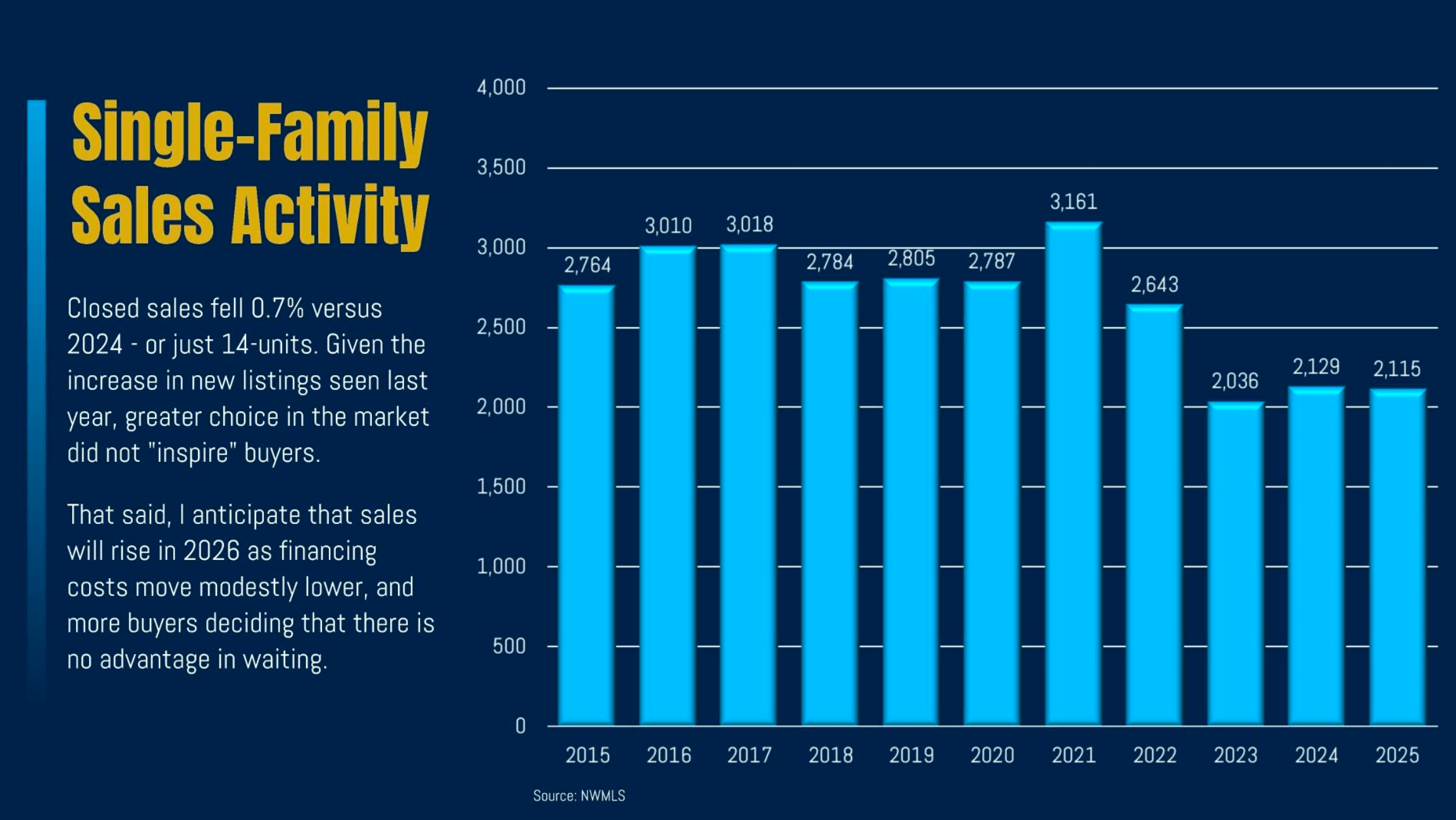
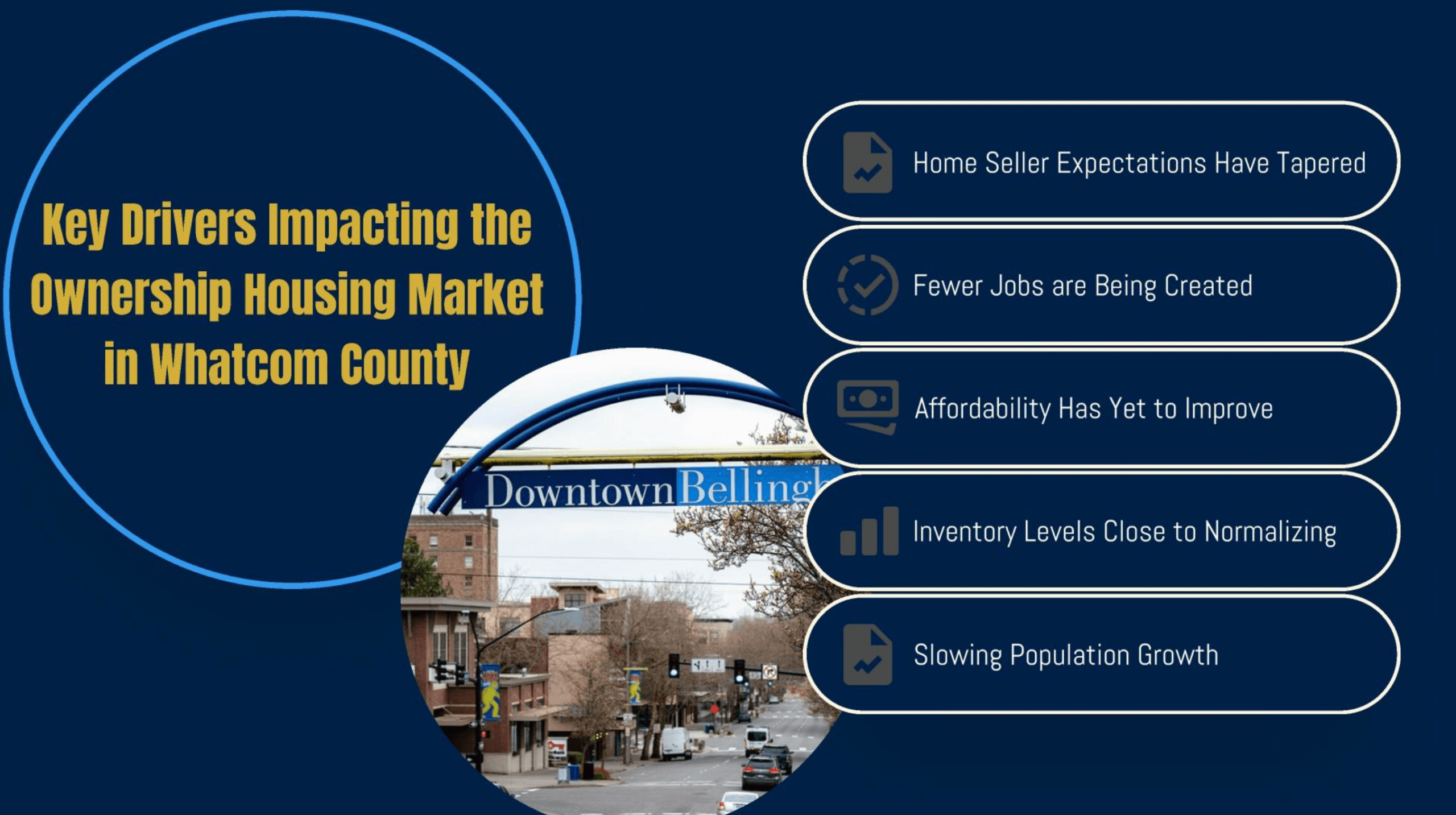
#1 Fewer Sales, Not a Weak Market
In Whatcom County, closed sales were down by ONLY 14 units year-over-year. Matthew emphasized that this is not a signal of falling demand, but rather a reflection of affordability constraints and higher interest rates. Buyers are still present, but they are more selective and deliberate.
This distinction matters. A slowdown in sales volume does not automatically mean a loss of value or market instability.
#2 Median Prices Are Holding — and Rising in Key Areas
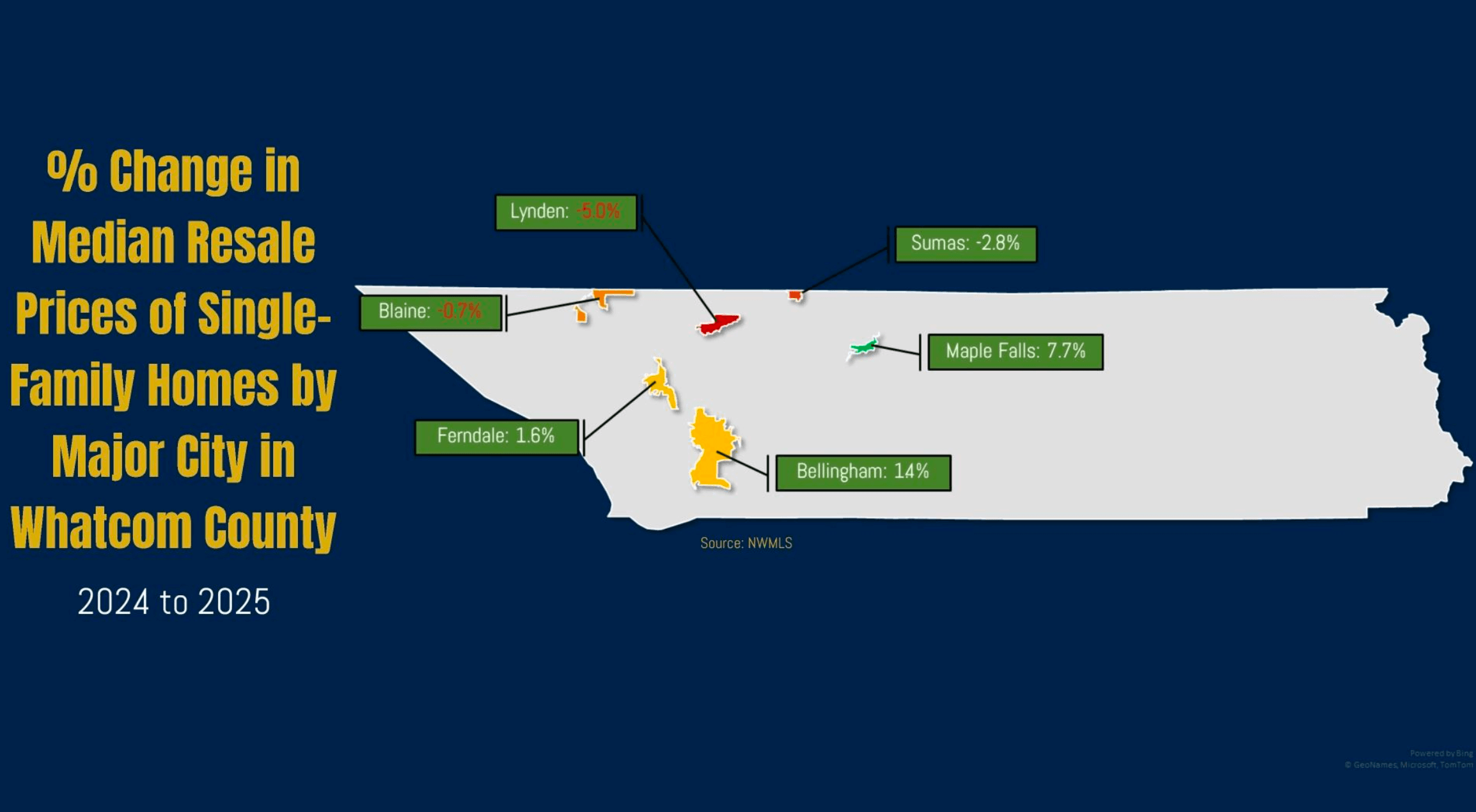
Despite fewer overall transactions, median sale prices remain resilient, and in some communities, they increased
- Bellingham
- Maple Falls
- Ferndale
all saw median sales prices rise, reinforcing Matthew’s message that the market is normalizing, not declining. Buyers continue to prioritize location and livability, and desirable areas are holding their value well.
#3 New Construction Remains Constrained
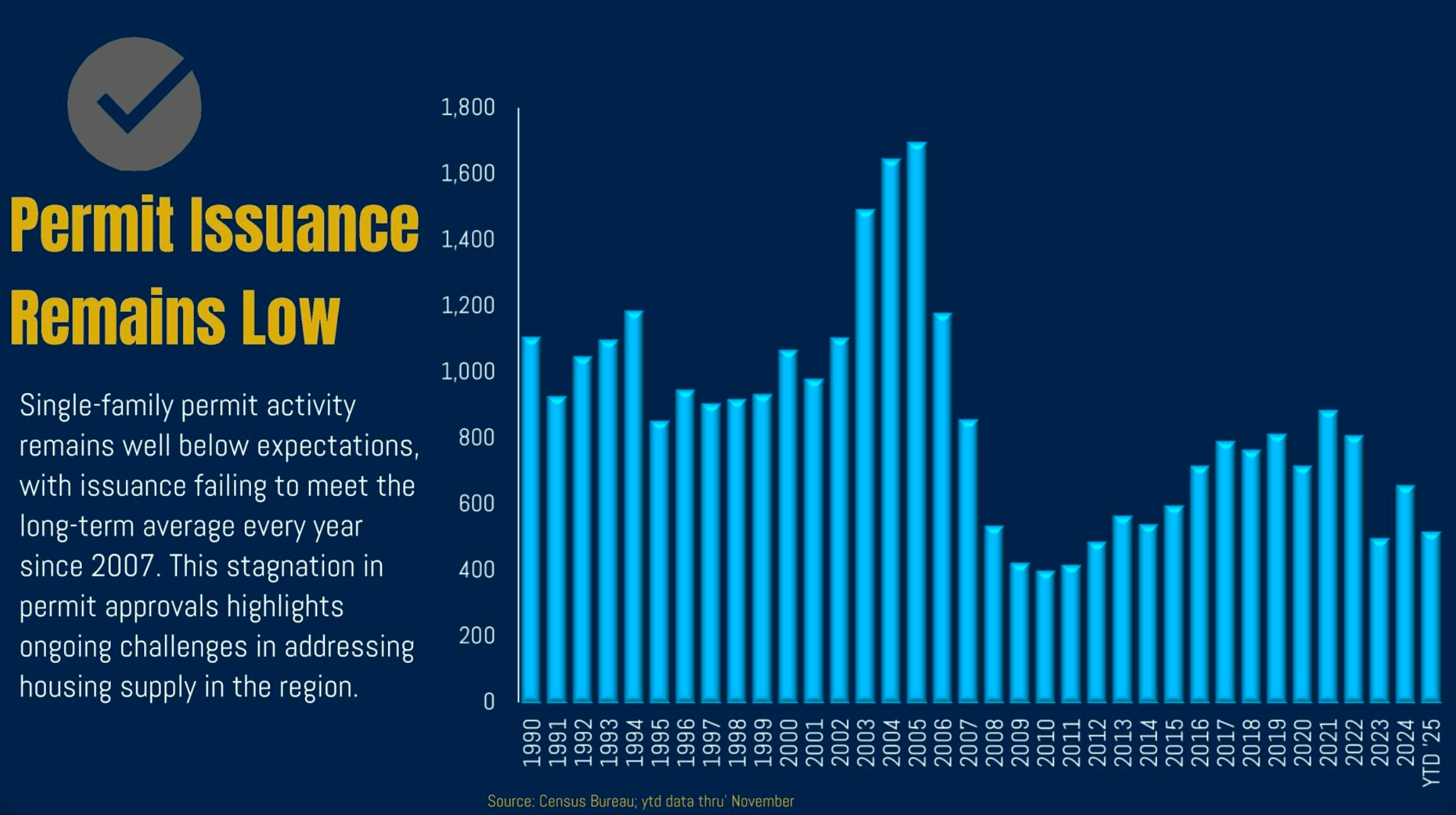
Permit activity is one of the best indicators of future housing supply.
- Permits were down in 2025 compared to 2024
- However, permit activity was slightly higher than in 2023
Matthew described this as a sign that builders remain cautious, not absent. Slower construction growth limits how quickly inventory can expand, which helps support prices even as sales volume cools.
#4 2026 Forecast — Whatcom County
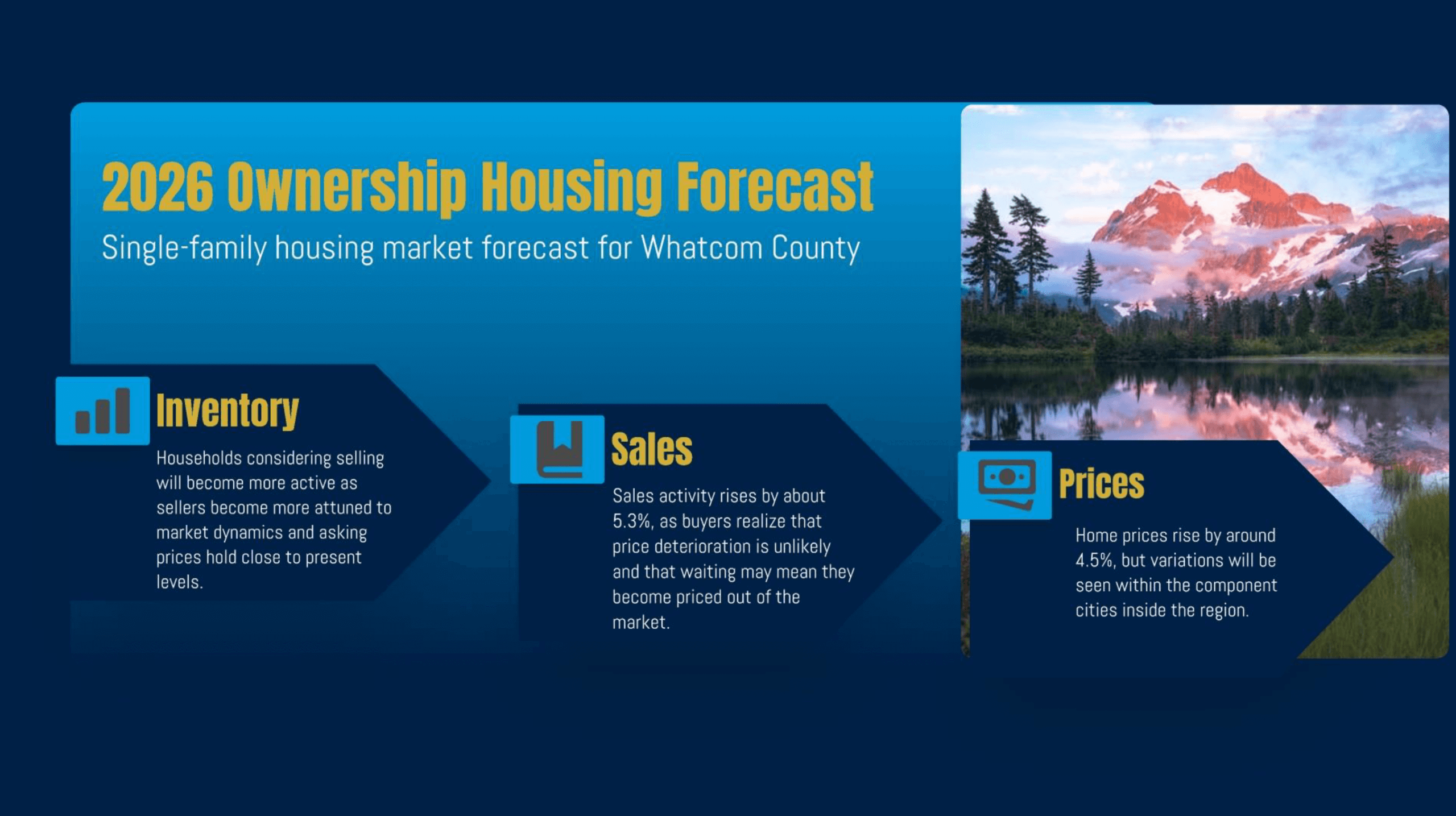
Matthew outlined three expectations for Whatcom County moving into 2026:
- Inventory: Expected to increase modestly, continuing the shift toward balance, but not enough to oversupply the market
- Sales: Likely to remain relatively flat, constrained more by affordability than buyer interest
- Prices: Forecast to remain stable with slight upward pressure in select areas
The takeaway: stability, not volatility.
#5 2026 Forecast — Skagit County
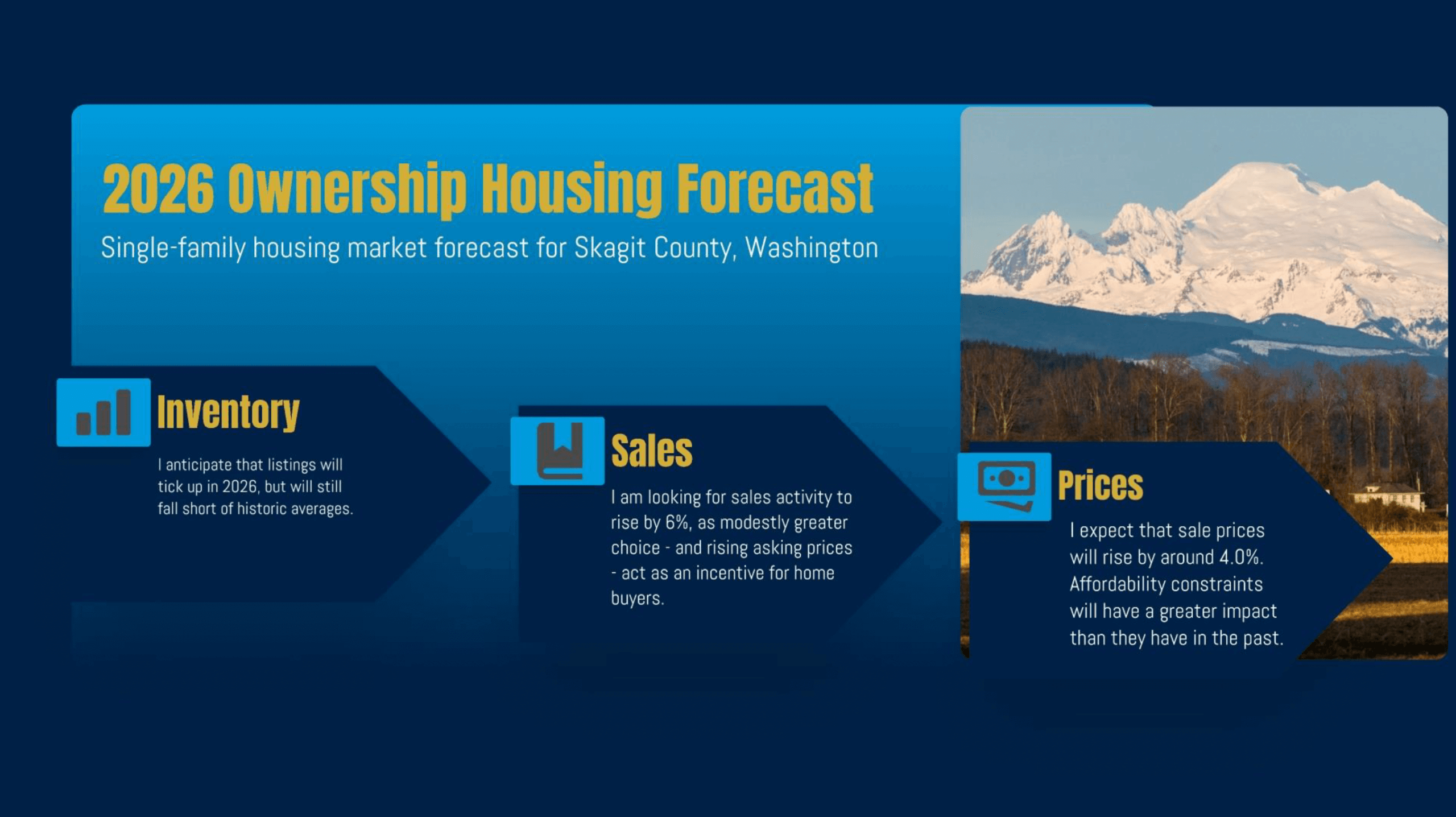
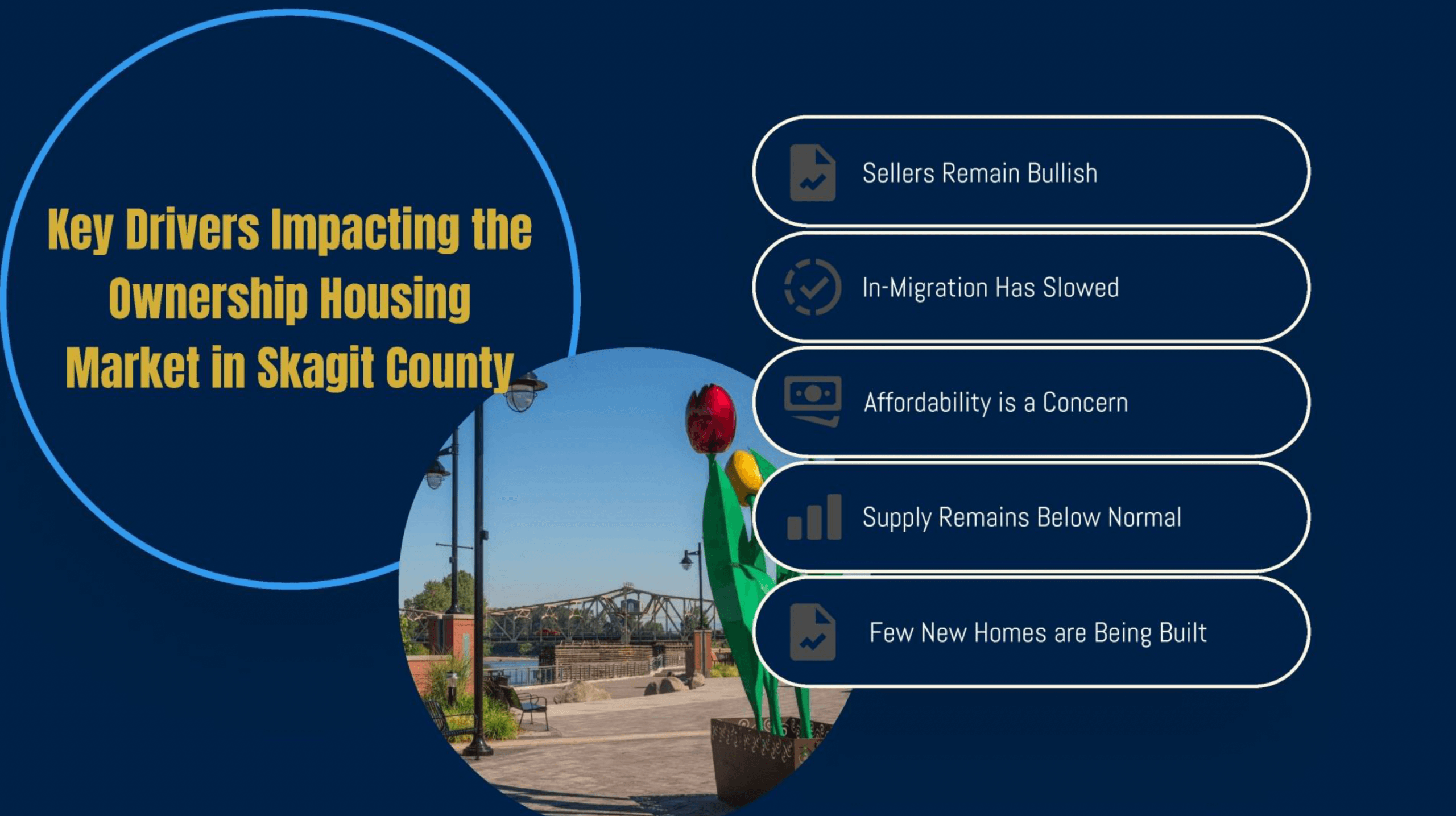
Skagit County tells a slightly different story:
- Inventory: Expected to grow more meaningfully, giving buyers increased selection
- Sales: Forecast to improve modestly as affordability and inventory align more favorably
- Prices: Anticipated to experience slow, steady growth rather than sharp increases
Matthew highlighted Skagit County as an area that continues to benefit from relative affordability, especially for buyers priced out of neighboring markets.
FINAL THOUGHTS
Matthew summarized the market as one that is adjusting, not unraveling.
- Prices are not falling
- Demand has not disappeared
- The market is becoming more balanced and less frantic
For homeowners, this means long-term equity remains intact.
For buyers, it means more opportunity to move thoughtfully rather than urgently.
If you’d like help interpreting how these trends apply to your specific neighborhood, property type, or goals, I’m always happy to walk through the data with you.
Want to Dive Deeper? use the Links Below to...
- View the full Whatcom & Skagit County presentation slides
- View the full King & Snohomish County presentation slides
If you would like to watch the full presenation, please reach out for the link!
Thank you again to everyone who joined me — and to those who continue to value education as part of making confident real estate decisions.